
Biomaterials – Inhalable Bioadhesives
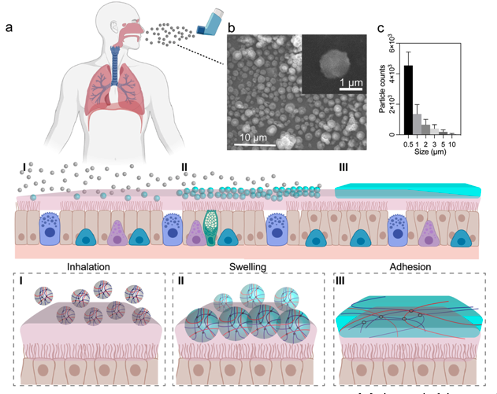
Our lab is interested in applying inhalable bioadhesives microgel for lung defense and pulmonary drug delivery. After inhalation, those microspheres will swell and form a hydrogel layer on the airway. They can shield the lung from allergens and viruses. In addition, they could be used as a drug release system to deliver pulmonary drugs.
Organ-specific adult stem cells and stem cell derivatives
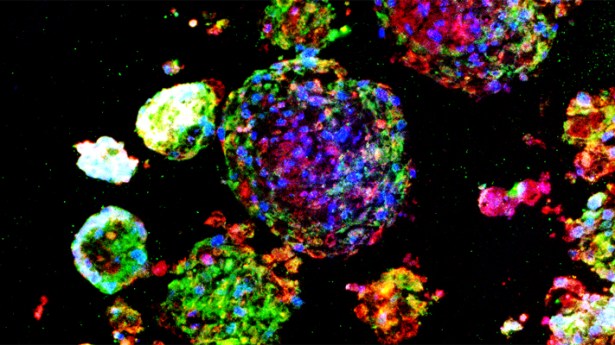
Our lab is specialized in isolating therapeutic cells from donor organs (e.g. heart, lung) and then testing their regenerative potential in experimental rodent models created in the lab or spontaneous animal disease models. We are also interested in determining the key factors and microRNAs secreted by stem cells and injecting these non-living agents to reproduce the therapeutic benefits of cell transplantation. Our ultimate goal is to translate the stem cell therapies developed in the lab into IND-enabled human clinical trials. For example, we are currently running a lung stem cell therapy for patients with idiopathic pulmonary fibrosis (or IPF).
Therapeutic exosomes for regenerative medicine

Extracellular vesicles (EVs) are lipid-bilayer delimited membrane structures released by cells, and play a role in intercell communication. Among these, exosomes, which are nanoscale EVs, hold tremendous promise as cutting-edge therapeutic agents for the future. Within our research laboratory, we focus on the investigation of both natural and bioengineered exosomes derived from diverse cell types. Our primary aim is to unlock their potential across a wide spectrum of applications, with a specific emphasis on their role in promoting cardiac and pulmonary tissue regeneration.
Minimally invasive therapeutics delivery to the heart
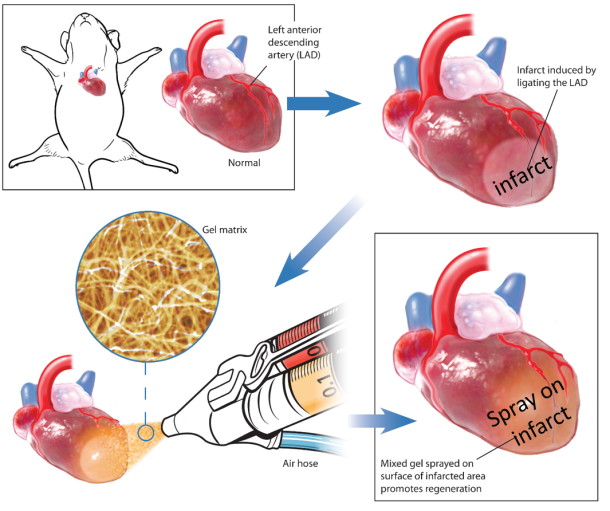
We are working on the development of innovative biomaterials for heart repair after ischemic injury, as well as other tissue regeneration topics. These gels, patches combine biodegradable scaffolding materials, stem cells/exosomes, and beneficial factors, and can be delivered by thoracic surgeries or mini-invasive procedures in combination with devices.
New mechanisms of cell extravasation in cancer
Using advanced microscopic techniques, the Cheng Lab is uncovering previously unknown mechanisms of cell extravasation, namely “angiopellosis”, with great impact on stem cell transplantation and cancer metastasis.
 BioTherapeutics Lab